Why the Same Private Road Can Sink One Loomis Loan and Sail Through Another
August 13, 2026
August 13, 2026
Ask two different lenders to finance the same house on a private road in Loomis, and you can get two different answers about whether the sale can even close. That is not a coincidence or a lender being difficult. It comes down to how Fannie Mae treats private road access differently than Freddie Mac or FHA, and it is one of the more common reasons a Loomis acreage sale stalls after everything else in the file looks clean.
Most people shopping for a home in Loomis are focused on the obvious tradeoffs: a smaller lot near the historic downtown versus acreage further out, a septic system versus a sewer connection, a well versus a water district hookup. The private road question rarely comes up until an appraiser or underwriter asks for a document nobody mentioned at the open house.
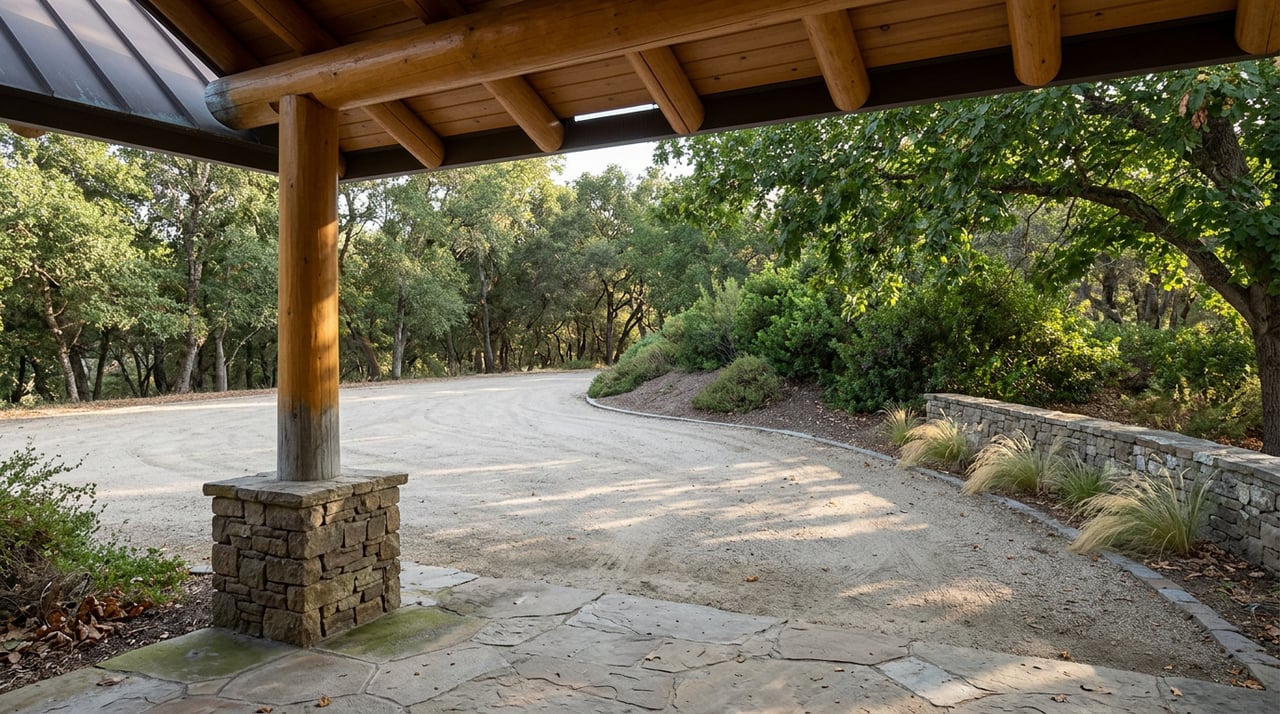
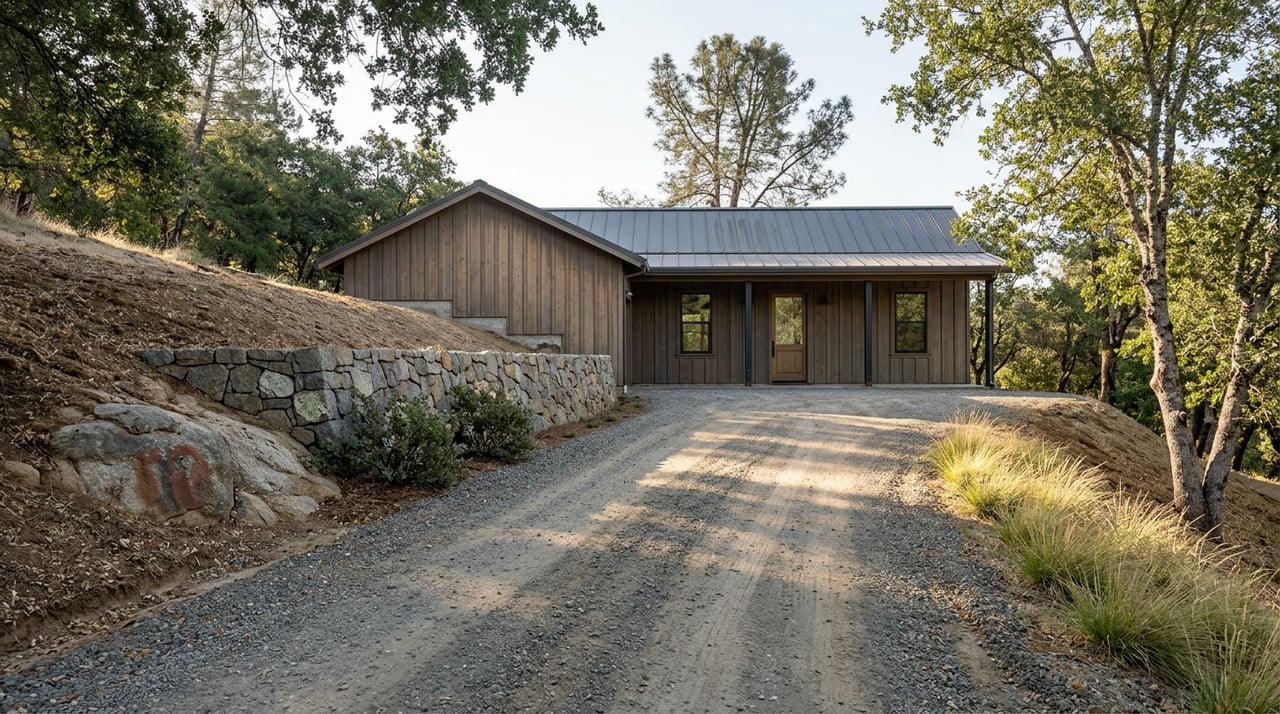
Loomis is not a town of uniform subdivisions. Homes near the historic downtown sit on standard, smaller lots served by public streets. Properties further out, including custom estates on acreage in areas like Blue Anchor and Secret Ravine, are often reached by roads that were never accepted into the county road system. They were built by a developer or a handful of original landowners, and they stayed private.
That distinction matters more than it sounds. A public road is maintained by the county. A private road is maintained by whoever owns the parcels that use it, whether or not those owners ever formalized how the costs get split. Some of these roads have a functioning association that collects annual dues and hires a grading contractor. Others run on an informal handshake between neighbors that has held up fine for twenty years and has nothing in writing.
Both situations can produce a working driveway. Only one of them produces the paperwork a lender wants to see.
California does have a statute that addresses private road costs. Civil Code Section 845 says that when a road easement benefits more than one owner, the cost of maintaining it is shared in accordance with any agreement between the owners, or, absent an agreement, proportionately to the use each owner makes of the road. If nobody pays, the remedy is a lawsuit between neighbors, not a lien or an automatic assessment.
That is a real legal backstop, but it is a thin one. It only tells you what happens when there is no agreement. It does not obligate anyone to maintain the road to a particular standard, and it does not create a document a lender can file away in an underwriting checklist. Real estate attorneys who write these agreements for a living are blunt about the gap this leaves. As one firm's guidance on the topic puts it, road maintenance agreements are "highly advisable" precisely because the statutory protection is not enough on its own.
In practice, that means a Loomis property can be completely functional, completely legal, and still missing the one piece of paper that turns a private road from a description into a documented asset.
Here is the part that catches people off guard. The major loan programs do not treat this the same way.
| Loan type | Recorded Private Road Maintenance Agreement required? |
|---|---|
| Fannie Mae conventional | Typically yes |
| Freddie Mac conventional | Not required |
| FHA | Not required |
Fannie Mae's own selling guide contains language suggesting that a state with statutory protections for private roads might not need a separate agreement. In practice, California's Civil Code 845 has not been treated as sufficient on its own, which means a recorded agreement still gets requested on many conventional loans sold to Fannie Mae. Freddie Mac and FHA loans generally do not carry the same requirement.
The upshot: the same house, the same road, the same seller, can clear underwriting cleanly with one loan program and get flagged for missing documentation with another, purely based on which agency ends up owning the loan. A buyer does not usually choose their loan investor directly, their lender does, based on rate, program fit, and the lender's own overlays. Two buyers competing for the same Loomis listing could be preapproved with two different underlying investors without either buyer realizing it until a road agreement request lands mid-escrow.
Lender overlays vary, so any buyer on a private road should ask their loan officer directly, early, whether a recorded agreement will be required for their specific program.
Loomis is not a market that gives anyone room to absorb a mid-escrow surprise. MLS-sourced data for the first half of 2026 shows a small but intensely competitive market: the median single-family price eased slightly year over year, while price per square foot moved up more than 3 percent and sales volume climbed. Buyers in that window averaged multiple offers per home, and a large share of sales closed above the asking price, with homes typically going under contract within a couple of weeks.
That combination matters here. In a slower market, a lender's request for a recorded road agreement is an inconvenience that adds a few weeks to closing. In a market where the winning buyer often beat out other offers to get the house, a financing delay caused by missing road paperwork can mean losing the appraisal window, losing a rate lock, or losing the deal outright to a backup offer. The road agreement is not a footnote in a market like this. It is a document that can decide whether the strongest offer actually gets to the closing table.
Sellers on a private road can remove most of this risk before a buyer is ever in the picture, simply by assembling what already exists:
If no agreement has ever been recorded, it is worth talking to a real estate attorney about drafting one before the property goes on the market. A recorded agreement in hand at listing time removes a variable that would otherwise surface for the first time during someone else's underwriting review.
Buyers looking at acreage on a private road can ask a short list of questions upfront that will tell them almost everything a lender will eventually want to know:
Asking these questions during the offer stage, rather than after the appraisal, gives a buyer and their agent time to solve a paperwork gap before it becomes a closing deadline problem.
Does this only apply to large acreage properties? No. Any property reached by a road that was never accepted into the county system can be affected, regardless of lot size. It is more common on acreage simply because more of Loomis's larger parcels sit on private roads than the smaller in-town lots do.
What if the neighbors have always just split costs informally, with no problems? An informal arrangement can work fine for years between neighbors and still not satisfy a lender's documentation requirement. The issue is not whether the road gets maintained. It is whether that arrangement is captured in a document a lender can file.
Will a title report catch this automatically? A title report will typically show whether an easement exists, but it will not tell you whether a maintenance agreement has been recorded or whether a specific loan program will require one. That confirmation has to come from the buyer's lender directly.
If you are weighing a move onto acreage in Loomis, or getting ready to sell a property that sits on a private road, it helps to have someone who has already walked this specific path with a buyer or seller. Sarah Stone-Francisco and the Stone Luxury Homes team work through exactly these kinds of foothill property details every day, from well and septic questions to road agreements that need attention before a house ever hits the market. Let's Connect and talk through what your specific property or search actually needs.
Enjoy attentive service, thoughtful guidance, and a detail-oriented approach designed to help you achieve your real estate goals.