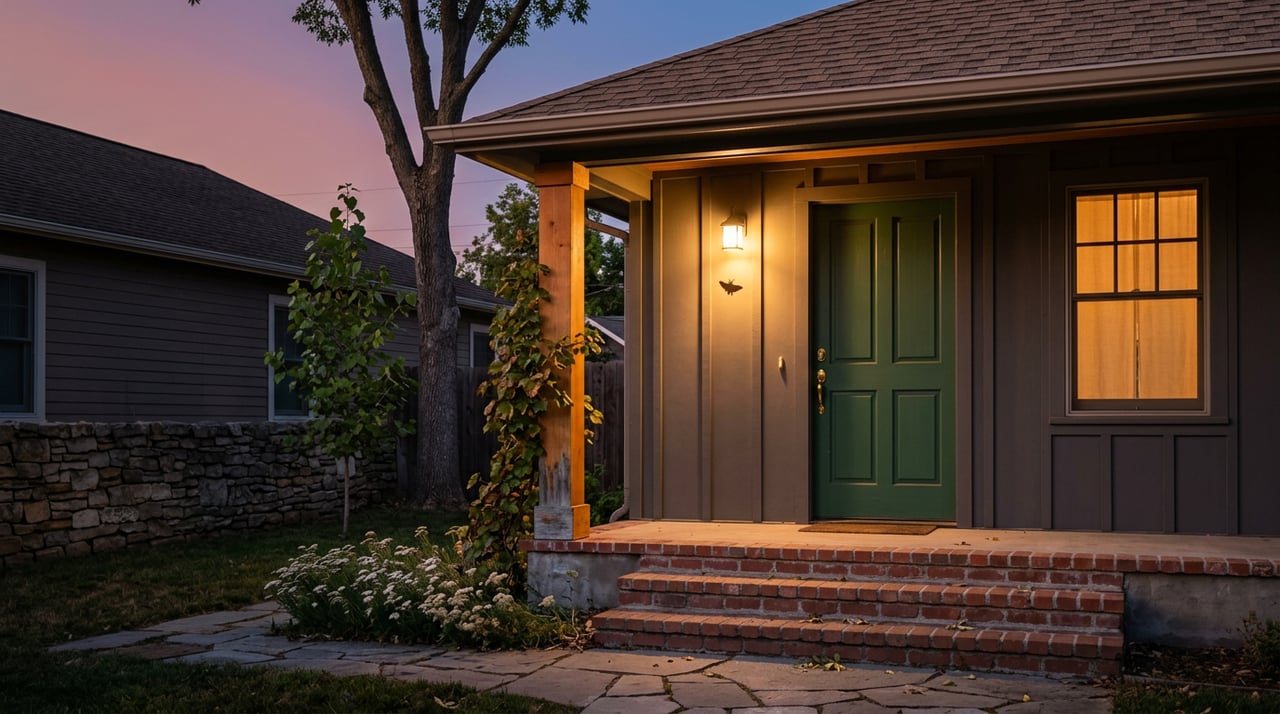
Whatever Happened to Loomis's Downtown Drinking Zone?
August 27, 2026
August 27, 2026
Walk Taylor Road on a warm Friday evening in mid-August and you will pass at least three places pouring a cold drink within a few hundred feet of each other. Gander Taphouse has its patio full. A few doors down, LBB Gastropub and Smokehouse is doing the same. What you cannot do is carry your pint from one to the other. Six months ago, the Town of Loomis came close to changing that, then quietly set the idea aside. The story of why is a better read on this town's character than any list of new menu items.
The idea started with a California law aimed at San Francisco, not Loomis. Senate Bill 76, signed in 2023, let San Francisco carve out special districts where people could carry to-go alcohol between participating businesses during sanctioned events. Follow-up legislation extended that option statewide starting in 2025, and coverage of the expansion has cited it under a couple of different bill numbers depending on the outlet, but the effect was the same everywhere: any California city or county could now write its own rules for a walkable, open-container "entertainment zone."
Sacramento used it for a 150,000-person street festival. Woodland approved zones and is still figuring out what events belong in them. Auburn moved fastest of anyone nearby, approving two zones this past fall that cover Old Town Auburn and its Lincoln Way corridor. Those zones have been active every weekend since late November, and it is not unusual now to see someone wander from a beer garden into a shop on Lincoln Way with an approved cup in hand.
Loomis watched its neighbor do this and started asking whether Taylor Road could work the same way.
The Town Council's version was specific about geography: a stretch of Taylor Road running roughly from 3565 to 3790, a two-block span that already anchors much of downtown's dining and drinking. A two-member Ad Hoc Committee spent months building a management plan and researching what code changes the town would need. On January 28, 2026, the town held a public open house to hear directly from residents before anything went to a final vote.
Gander Taphouse owner Nate Peters became the proposal's most visible supporter. His pitch was less about turning Taylor Road into a party strip and more about foot traffic between businesses that already sit within a five-minute walk of each other. He pointed out that other towns had already written the operating manual: rules, wristbands, designated cups, hours. Loomis would not have had to invent the wheel, just adopt a version of it.
Not every resident wanted that version. Rachel Halverson, who has lived in Loomis for 17 years, voiced a different view when the proposal became public. Her concern was less about the law and more about what it would signal for a town that has built its downtown identity around family nights rather than bar crawls. She argued that people did not need an open container to walk from place to place, and that the town's energy should go toward spaces for kids instead.
Here is the detail that got lost in the debate: Loomis did not need new legislation to test this concept once. It already had. Every May, the Placer Sheriff's Activities League puts on Loomis Beer Fest at Gander Taphouse, a single-day festival with more than 20 craft beers, food trucks, and live music, drawing a crowd that drinks in the open air on a closed-off portion of the block. This year's edition ran May 9, 2026, under a standard special-event permit, the same kind of one-off approval Loomis has used for years for things like its concert series at the Train Depot.
That is a meaningfully different model from what the entertainment zone proposal would have created. A special-event permit is occasional, scheduled, and bounded to a single day. A standing entertainment zone would have made the open-container experience a default weekend backdrop, available every Friday and Saturday rather than once a year. Loomis has comfortably run the first version for a while. The Council's hesitation was really about whether to convert an occasional treat into a permanent fixture.
On February 19, 2026, local coverage confirmed the Town Council tabled the Taylor Road entertainment zone plan. Tabled is a specific word choice, and it matters here. Nothing in the reporting suggests the Council rejected the concept outright or closed the door on revisiting it. The plan simply did not move forward after the open house and the months of committee work that preceded it.
A few things about Loomis help explain why a proposal with real business support still stalled:
None of that reads as anti-business. It reads as a town weighing a permanent shift against a system of occasional events that already works for its size.
As of this August, nothing has changed on the ground. You still cannot legally carry a drink between Gander Taphouse and its neighbors outside of a permitted event like Beer Fest. Patios are still the boundary. If the entertainment zone idea returns, it will likely surface again through another Town Council agenda or a follow-up committee report, and residents who want a say will have the same kind of open house process to weigh in on that shaped this round.
What the debate did settle, even without a vote, is a clearer picture of what Taylor Road actually is right now: a downtown that already knows how to throw one really good open-air weekend a year, and that is still deciding, carefully and out loud, whether it wants that to become the default rather than the exception.
That kind of local decision-making, slow and specific and argued out in public meetings and open houses, is the same texture that shapes what it feels like to actually live somewhere day to day. If you are curious about that side of Loomis, or any of the foothill towns nearby, the team at Stone Luxury Homes spends a lot of time paying attention to exactly this kind of local detail. Let's connect if you want to talk through what makes a particular street, block, or town tick before you make any decisions about it.

Enjoy attentive service, thoughtful guidance, and a detail-oriented approach designed to help you achieve your real estate goals.